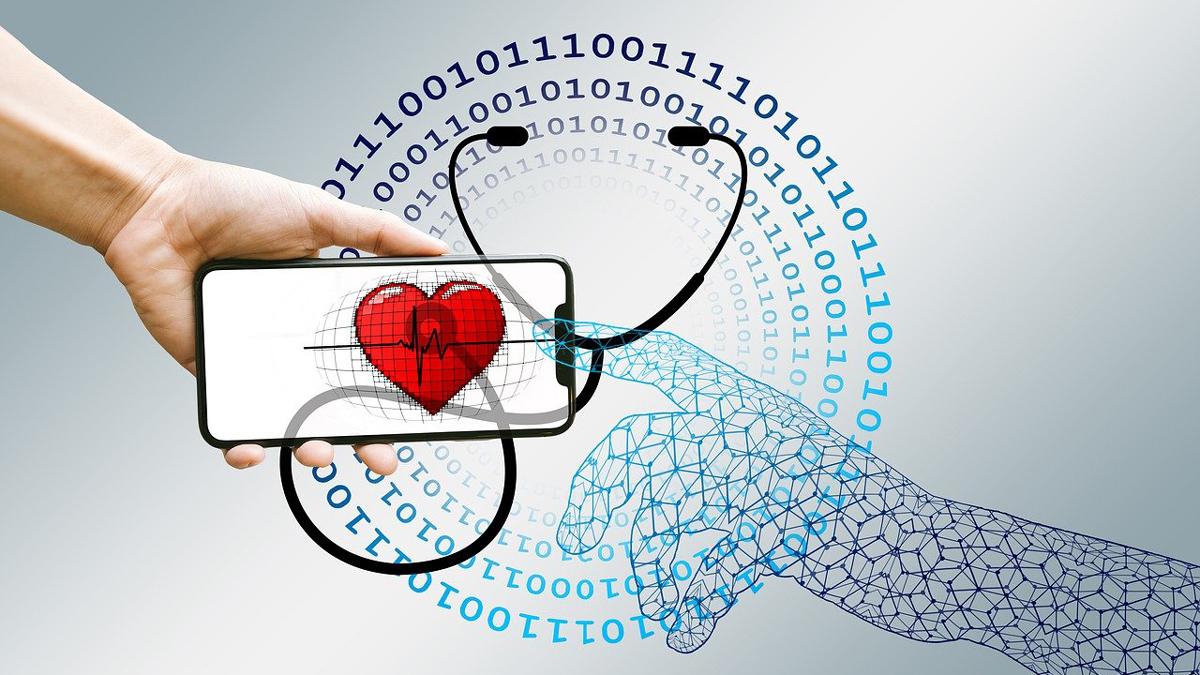
Digital tools are giving women more knowledge, more choices, and more day‑to‑day control over their health than any previous generation. From cycle‑tracking apps and smart wearables to telehealth platforms and digital therapeutics, technology is turning passive patients into active decision‑makers in areas that historically were neglected, stigmatized, or hard to access.
Everyday tracking and body awareness
One of the most visible shifts is the rise of apps and wearables that help women track cycles, symptoms, mood, sleep, activity, and vital signs in their daily lives. HealthManagement notes that consumer women’s health tools now focus heavily on disease awareness, education, and tracking physical and mental health parameters.
- Period and fertility apps let women log bleeding, pain, PMS, and sexual activity, then use that history to predict cycles, fertile windows, or irregularities.
- Menopause apps help women follow hot flashes, sleep changes, mood, and brain fog, turning confusing symptoms into patterns they can see and discuss.
- General health apps and wearables track activity, heart rate, sleep, and stress, offering a daily feedback loop that ties lifestyle to how the body feels.
Survey research shows that many women use period trackers primarily to anticipate their next period and manage daily life, and they often bring app histories to medical appointments to support diagnosis or treatment conversations. In menopause, qualitative studies report that tracking symptoms helped women feel they were “not going mad,” normalize their experience, and find the language to tell their own story to family and clinicians.
AI‑powered wearables and digital biomarkers
Wearables are moving beyond basic step counts into more tailored women’s health insights. HealthManagement describes a new generation of AI/ML‑enabled devices that forecast cycle changes, predict fertility, and help manage menopause by turning raw sensor signals into personalised recommendations.
- Next‑gen devices integrate heart‑rate variability, temperature, sleep, and activity to build digital biomarkers for stress, hormonal shifts, and recovery.
- AI algorithms embedded in apps and wearables generate proactive alerts and suggestions, rather than just logging past data.
- Connected “consumables” like the Emm smart menstrual cup use embedded biosensors to measure flow, volume, and other menstrual characteristics in real time, syncing with apps to give personalised insights.
These systems let women see health trends that used to be invisible: how sleep affects symptoms, how exercise influences cramps, or how hormonal transitions show up in physiology. That visibility turns vague discomfort into something trackable and actionable, which is a key form of empowerment.
Telehealth, platforms, and privacy
Digital health platforms have also changed how women access care, especially when time, distance, or stigma make in‑person visits difficult. A 2024 overview explains that telemedicine and health apps now provide high‑quality consultations, secure messaging, and digital records without requiring physical attendance at a clinic.
- Teleconsultations let women discuss contraception, infections, fertility, postpartum issues, or menopause with clinicians from home—vital for those with caregiving duties or limited transport.
- Secure messaging and portals make it easier to ask follow‑up questions, clarify side effects, and share home‑tracked data between visits.
- For sensitive topics—sexual health, mental health, pelvic floor symptoms—online platforms provide greater privacy and perceived anonymity, which can lower the barrier to seeking help.
For many, that combination of convenience and confidentiality is what finally makes regular care feel realistic. Researchers note that digitally mediated consent, virtual focus groups, and remote participation are particularly valuable for women balancing childcare, work, and health demands.
Digital therapeutics and targeted support
Digital tools are no longer just about monitoring; they are increasingly delivering treatment and structured support. HealthManagement highlights digital therapeutics for depression, anxiety, and pelvic floor disorders that can be accessed remotely, often with built‑in coaching or exercises.
- App‑based cognitive behavioural therapy and mindfulness programs help women manage perinatal depression, PMS‑related mood changes, and menopause‑related anxiety with evidence‑based techniques.
- Pelvic‑floor therapy apps and sensor‑enabled trainers guide exercises, provide biofeedback, and track progress for urinary incontinence or postpartum recovery.
- Condition‑specific platforms for endometriosis, PCOS, and chronic pain combine education, symptom diaries, and access to specialists, replacing years of dismissal with structured care pathways.
These tools give women something they often lacked: a way to work on their health between appointments, at their own pace, with feedback that makes progress visible.
Community, language, and confidence
Digital health is also changing the social side of women’s health. Apps, forums, and platforms bring together people with similar experiences, helping them feel less isolated and more confident in seeking care.
- Many women’s health apps embed peer stories, Q&As, and moderated communities where users can compare notes and share coping strategies.
- Research on menopause apps found that access to others’ stories and medical terminology helped women feel more normal and better equipped to talk to healthcare professionals.
- Period trackers and fertility communities encourage women to treat their own data as legitimate evidence when advocating for themselves with doctors.
Scholars describe this as a partial antidote to “epistemic injustice”—the historic tendency for women’s accounts of their own bodies to be discounted. By giving language, data, and solidarity, digital tools help women present their experiences as credible and worth taking seriously.
A second wave of FemTech
Underneath all of this is a broader market shift often called the “second wave” of FemTech. Analysts describe a move away from generic wellness apps toward deeper, clinically relevant solutions built specifically around women’s bodies and life stages.
- Companies are redesigning pelvic and uterine instruments, developing at‑home HPV and infection tests, and building remote monitoring tools for preterm labour and other high‑risk conditions.
- FemTech platforms in 2026 increasingly target fertility, maternal health, menopause, cardiovascular risk, and metabolic health with data‑driven tools, not just cycle logs.
- Investment reports on the women’s digital health market emphasise personalised platforms, AI‑driven reproductive health, sensor‑integrated apps, and strong data governance to maintain trust.
This ecosystem matters because it shifts innovation priorities. Instead of women being an afterthought in general health tech, their needs are becoming the starting point for design, which is a powerful form of structural empowerment.
The limits—and the opportunity
Digital tools are not a cure‑all. Researchers warn that access, data privacy, algorithmic bias, and over‑reliance on numbers can all limit or distort empowerment. Some women feel pressured by constant tracking, and not every app is grounded in solid science.
Yet when thoughtfully designed and paired with good clinical care, these tools give women something they have historically lacked: continuous insight into their bodies, flexible access to support, communities that validate their experiences, and data they can use to advocate for themselves.
That combination—knowledge, connection, and agency—is what it really means for digital tools to help women take control of their health.