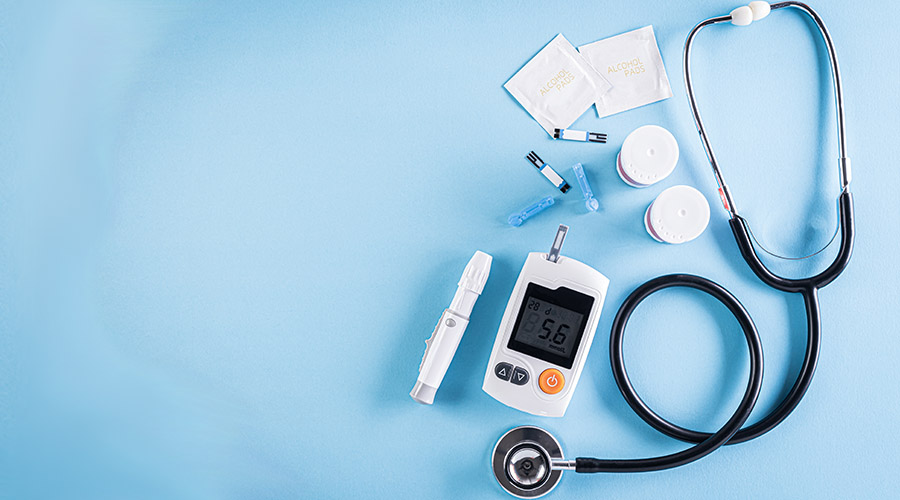
Preventive healthcare is undergoing a major transformation, and much of that change is happening at home. For decades, health monitoring depended heavily on periodic clinic visits, annual screenings, and a patient’s ability to recognize symptoms before seeking help. Today, home medical devices are changing that model by making health tracking more continuous, convenient, and personal. Instead of waiting for a yearly checkup or a sudden health scare, people can now monitor vital signs, chronic conditions, sleep patterns, fitness levels, and even early warning signals of disease from the comfort of their homes.
This shift is more than a matter of convenience. It represents a fundamental change in how healthcare is delivered and experienced. Home medical devices are empowering people to take a more active role in their well-being, while also giving healthcare providers more timely and useful information. From blood pressure monitors and glucose meters to smart ECG devices and wearable oxygen sensors, these tools are helping move healthcare away from a reactive model and toward one centered on prevention, early detection, and long-term wellness.
The Rise of At-Home Health Monitoring
The demand for home medical technology has grown rapidly in recent years. Several factors have fueled this trend, including an aging population, the rise of chronic diseases, greater awareness of personal wellness, and advances in digital health technology. At the same time, smartphones, cloud connectivity, and telemedicine platforms have made it easier for medical devices to store, analyze, and share health data in real time.
Consumers are no longer limited to basic thermometers or manual blood pressure cuffs. Modern home devices can detect irregular heart rhythms, track blood oxygen saturation, monitor blood glucose continuously, and assess sleep quality with impressive precision. Many of these tools are user-friendly and designed for everyday use, which makes preventive health monitoring accessible to a much wider audience than before.
The COVID-19 pandemic also accelerated the adoption of home health devices. People became more comfortable using digital health solutions, and healthcare systems increasingly relied on remote patient monitoring to reduce unnecessary in-person visits. That shift has continued, and it has opened the door to a more decentralized healthcare model in which the home becomes an important point of care.
Why Preventive Healthcare Matters
Preventive healthcare focuses on identifying risks, detecting issues early, and supporting habits that reduce the likelihood of serious illness. This approach is especially important because many major health problems, such as hypertension, diabetes, cardiovascular disease, and respiratory illness, often develop gradually and may not cause obvious symptoms in the early stages.
When conditions are caught early, treatment tends to be simpler, less expensive, and more effective. For example, someone who regularly monitors their blood pressure at home may notice a persistent upward trend long before it leads to a medical emergency. A person using a wearable heart monitor may detect irregular rhythms that warrant a cardiology consultation. Likewise, continuous glucose monitoring can help individuals identify blood sugar patterns and make changes before complications become severe.
Home medical devices support this preventive model by creating a constant stream of health insights rather than isolated snapshots. That continuous visibility helps users and clinicians spot changes sooner, track progress more accurately, and make better-informed decisions.
Key Home Medical Devices Driving Change
One of the biggest contributors to preventive care is the digital blood pressure monitor. Hypertension is often called the “silent killer” because it can go unnoticed for years while increasing the risk of heart attack, stroke, and kidney disease. Home blood pressure monitors allow users to take regular readings and share them with healthcare providers, which often leads to earlier intervention and better long-term control.
Blood glucose meters and continuous glucose monitors are also playing a major role. These devices are not just for people with diagnosed diabetes. Increasingly, they are used by individuals with prediabetes or metabolic concerns who want to understand how food, exercise, sleep, and stress affect their blood sugar. This kind of insight can encourage healthier habits and reduce the risk of developing full-blown diabetes.
Pulse oximeters became widely known during the pandemic, but their value extends beyond respiratory infections. They can be useful for people with chronic lung conditions, sleep disorders, or cardiovascular issues. By measuring oxygen saturation levels at home, patients can detect changes that may need medical attention before symptoms worsen.
Wearable devices, including smartwatches and fitness trackers, have added another dimension to preventive healthcare. Many now monitor heart rate, activity levels, sleep quality, stress trends, and in some cases even electrocardiogram readings. While not all wearables are medical-grade, they can still help people notice unusual patterns and motivate healthier daily choices.
Other increasingly important home devices include digital thermometers, smart scales, sleep apnea testing kits, at-home cholesterol tests, portable ECG monitors, and connected spirometers for lung function. Together, these tools create a broader picture of health and make it easier to monitor multiple risk factors over time.
Empowering Patients Through Data
One of the most powerful effects of home medical devices is patient empowerment. Traditionally, many people have had a passive relationship with healthcare. They visited a doctor when something felt wrong, received advice, and followed treatment instructions with limited day-to-day feedback. Home monitoring changes that dynamic by giving people regular, measurable information about their bodies.
This data can reinforce healthy behaviors in a direct and motivating way. For example, someone trying to improve cardiovascular health might see how walking daily helps lower resting heart rate and blood pressure. A person managing stress may notice better sleep scores after adjusting their evening routine. Seeing these connections in real time can make preventive health feel practical and achievable rather than abstract.
At the same time, access to personal health data can improve communication with healthcare providers. Instead of relying only on memory or occasional office readings, patients can share trends collected over weeks or months. This often leads to more accurate diagnoses, more personalized treatment plans, and fewer missed warning signs.
Improving Chronic Disease Management
Preventive healthcare is not only about avoiding disease altogether. It is also about managing existing conditions in ways that prevent complications. Home medical devices are especially valuable for people living with chronic illnesses such as diabetes, hypertension, asthma, heart disease, and chronic obstructive pulmonary disease.
For these patients, regular monitoring can reduce hospitalizations and improve quality of life. A connected glucose monitor can alert users to dangerous highs or lows before they become emergencies. A home ECG device may help detect episodes of arrhythmia that would otherwise go unnoticed. A spirometer can help someone with lung disease recognize declining respiratory function early and seek treatment before a severe flare-up occurs.
Remote monitoring also allows physicians to track patients between appointments. This makes care more proactive and responsive. Instead of waiting months to evaluate whether a treatment is working, clinicians can review incoming data and adjust medications or recommendations sooner. That level of responsiveness can significantly improve outcomes.
The Role of Telehealth and Connected Care
The full impact of home medical devices becomes even clearer when they are integrated with telehealth. A device on its own provides information, but when that data flows into a digital care system, it becomes part of a larger preventive strategy. Patients can upload readings to apps, send reports to clinicians, and discuss results during virtual appointments without leaving home.
This connected care model is especially beneficial for people in rural areas, older adults with mobility challenges, and busy individuals who might otherwise postpone care. It reduces barriers to monitoring and follow-up, making preventive healthcare more consistent and accessible.
Healthcare systems are also beginning to use remote patient monitoring programs more widely. These programs can flag concerning trends automatically and prompt outreach from nurses or physicians. In effect, home devices can serve as an early warning system that supports both patients and providers.
Challenges and Limitations
Despite their promise, home medical devices are not a perfect solution. Accuracy varies between products, and not all consumer devices meet the same clinical standards. Users may also take readings incorrectly or misinterpret the results. That is why medical guidance remains essential, especially for serious conditions.
Data privacy is another concern. Many connected devices collect sensitive health information, and users need confidence that this data is stored and shared securely. Manufacturers and healthcare platforms must invest in strong privacy protections and transparent data policies.
There is also the issue of accessibility. While some home medical devices are affordable, others remain expensive and may not be covered by insurance. Digital literacy can be another barrier, particularly for older adults who are less familiar with apps and connected technology. For preventive healthcare to become more equitable, these tools must be easier to use and available to a broader population.
The Future of Preventive Healthcare at Home
The future of home-based preventive care looks increasingly intelligent and personalized. Artificial intelligence is beginning to enhance device capabilities by identifying trends, predicting risks, and generating alerts based on subtle changes in health data. In the coming years, home medical devices may become even better at detecting early signs of disease before a patient feels any symptoms.
We are also likely to see more integration across devices and platforms. Rather than using separate tools for blood pressure, glucose, sleep, and heart health, consumers may rely on unified ecosystems that bring all this data together. This would make it easier to identify patterns across different aspects of health and support more coordinated care.
Another important trend is the growing shift from episodic measurement to continuous monitoring. Instead of checking health only once in a while, people will increasingly have access to passive, ongoing insights that fit naturally into daily life. This could fundamentally change how people think about healthcare, moving it from something occasional and reactive to something continuous and preventive.
Home medical devices are revolutionizing preventive healthcare by making health monitoring more frequent, accessible, and actionable. They help detect problems earlier, support healthier habits, improve chronic disease management, and strengthen communication between patients and providers. Most importantly, they enable a more proactive approach to well-being, where people can respond to warning signs before they turn into serious medical issues.
As technology continues to improve, the home will play an even larger role in the healthcare system. While challenges around accuracy, affordability, and privacy still need attention, the direction is clear. Preventive healthcare is no longer confined to clinics and hospitals. It is becoming part of everyday life, powered by devices that put vital health insights directly into people’s hands.