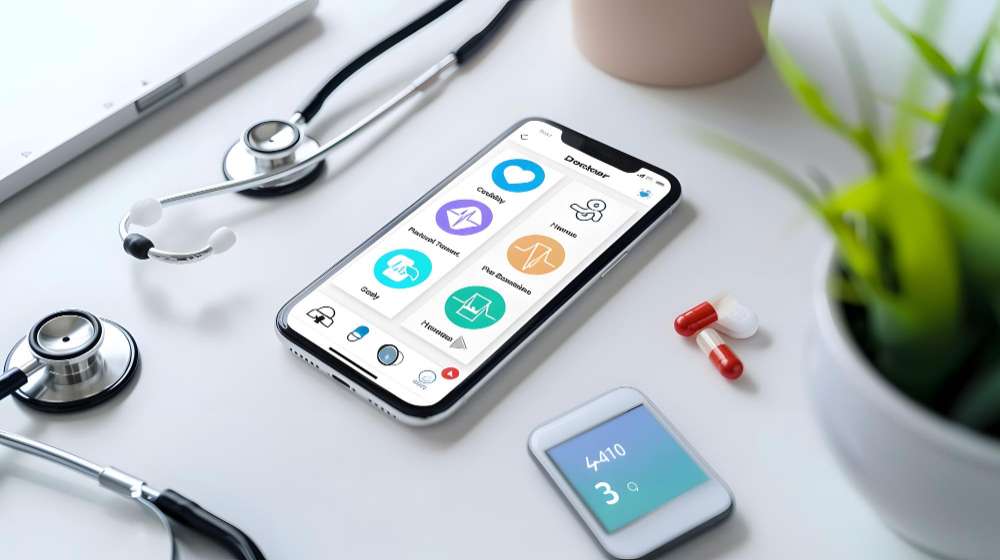
Mobile health apps are turning preventive healthcare into something people can do every day, in real time, instead of once a year in a clinic. They help users track risk factors, receive early warnings, change habits, and stay connected to care teams long before disease becomes severe.
From reactive to preventive
Healthcare is shifting from treating illness after it appears to predicting and preventing it, and mobile apps are at the center of that change. On a smartphone, people can now monitor heart rate, sleep, blood sugar, stress, diet, and activity, turning health from an occasional concern into a continuous feedback loop.
- A 2024 global survey found that over 35% of adults actively use at least one health app or wearable, reflecting a move toward more proactive, personalised health management.
- Market analyses estimate the digital health tracking app market at about 16.1 billion USD in 2024, projected to reach nearly 68 billion USD by 2034, driven largely by preventive and wellness use cases.
Instead of waiting for symptoms, users can notice deteriorating sleep, rising stress, reduced activity, or weight gain early, and take action with guidance from their apps.
Supporting behaviour change
Preventive healthcare depends heavily on daily behaviour, and mobile apps are designed to influence exactly that.
- Fitness and nutrition apps (for example, calorie and activity trackers) help users log meals, monitor exercise, and compare trends against goals, often with personalised recommendations.
- Many apps use behaviour‑change tactics—reminders, goal setting, progress charts, and rewards—to keep users engaged and reinforce healthy routines.
Evidence suggests that well‑designed apps can improve health outcomes in people with chronic disease risks. A scoping review of 46 studies on nutrition‑focused mHealth apps in chronic conditions (cardiovascular disease, diabetes, cancer, obesity) found that these apps can significantly improve outcomes, including better glycaemic control and medication reduction in diabetes. Around 64% of studies that assessed maintenance reported sustained behaviour change over 6–12 months, though some saw declines over time, highlighting the need for strong engagement design.
Early detection and risk alerts
Because mobile health apps continuously collect data, they can support earlier detection of potential issues.
- AI‑powered apps analyse patterns in steps, heart rhythms, sleep, and stress indicators to flag possible risks before users feel clearly unwell, such as signs of burnout, cardiovascular strain, or respiratory problems.
- Disease‑specific apps for chronic conditions (for example, diabetes, hypertension, heart failure) can prompt blood pressure checks, blood sugar logging, or symptom tracking, and alert users or clinicians when values fall outside of safe ranges.
This proactive use of data turns phones into early‑warning systems that can nudge users toward checkups, tests, or lifestyle adjustments before a problem escalates into an emergency.
Bridging access and affordability gaps
Mobile apps help close some of the common gaps in preventive care—awareness, access, and cost.
- Accessibility: With a smartphone, users can access educational content, self‑assessment tools, reminders, and monitoring features anytime, anywhere, which is especially useful in rural or underserved areas.
- Affordability: Many preventive apps are free or low‑cost, providing basic monitoring and coaching without the expense of repeated clinic visits.
- Awareness: Apps push tailored health tips, screening reminders, and risk‑factor education, raising awareness of preventive measures that might otherwise be overlooked.
Reports on mobile health note that these tools empower patients to take more responsibility for their health by lowering barriers and making preventive resources easier to use.
Collaboration with clinicians
Preventive medicine works best when data flows between patients and professionals, and mobile apps increasingly support that collaboration.
- Many platforms allow users to share app data (steps, blood pressure, glucose logs, weight, mood scores) with clinicians, giving a richer picture than single clinic readings.
- Providers can use remote data to adjust preventive plans, send tailored messages, or intervene earlier if they see concerning trends.
Digital health trend reports highlight that payers and health systems are starting to reimburse more software‑based tools, recognising that app‑enabled monitoring and digital therapeutics can reduce costs by preventing late‑stage complications.
In this way, mobile apps make preventive care continuous, interactive, and data‑driven—shifting patients from passive recipients to active partners in maintaining their health.