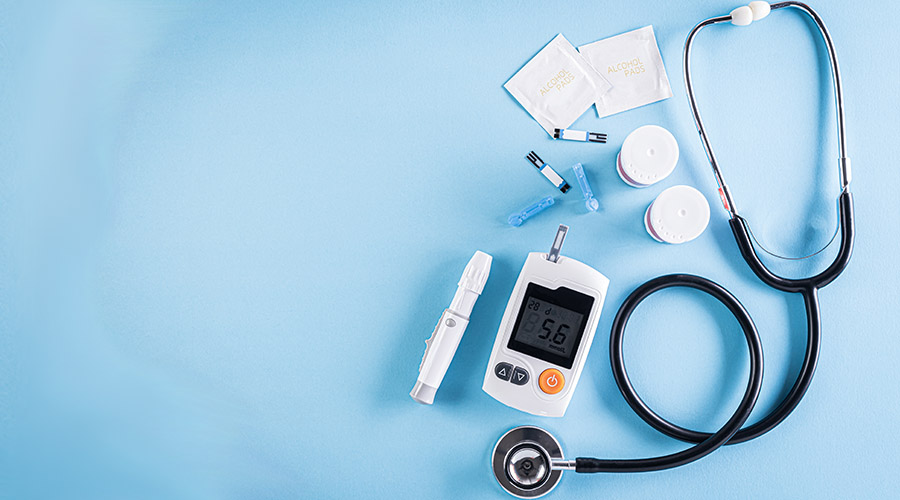
Wearable health tech and medical devices often look similar on the surface, but they serve different purposes. In general, wearable health tech is built mostly for tracking, wellness, and everyday insight, while medical devices are designed for diagnosis, treatment, monitoring, or prevention under stricter clinical and regulatory standards.
As health technology becomes more common in daily life, the line between the two categories is getting harder to see. Smartwatches can measure heart rate, oxygen saturation, sleep, and activity, while some regulated devices can now be worn continuously at home. That overlap creates confusion for consumers, patients, startups, and even healthcare providers. Understanding the difference matters because it affects accuracy, safety, legal claims, data use, and how much trust people should place in the results.
Defining wearable health tech
Wearable health tech usually refers to consumer-facing electronics that collect body-related or behavior-related data throughout the day. This category includes smartwatches, fitness bands, smart rings, posture trackers, sleep wearables, and other connected devices that help users monitor movement, stress, heart rate, recovery, or general wellness.
These products are typically designed for convenience and engagement. They focus on user experience, attractive interfaces, app integration, personalized insights, and habit formation. A smartwatch might tell someone they slept poorly, had an elevated resting heart rate, or need more movement during the day. That information can be useful, but in many cases it is meant to inform lifestyle decisions rather than provide a formal clinical judgment.
Most wearable health tech is marketed around optimization rather than treatment. The message is often about helping users train better, sleep better, manage stress, or stay aware of patterns. Even when the data is sophisticated, the product may still be intended primarily for general wellness instead of medical care.
Defining medical devices
Medical devices are tools, instruments, machines, software systems, implants, or monitoring products intended for a clinical purpose. That purpose may include diagnosing a disease, treating a condition, preventing a complication, monitoring a patient, or supporting a medical decision. These devices can range from blood pressure monitors and glucose meters to pacemakers, infusion pumps, ECG systems, hearing aids, and continuous monitoring platforms used under physician oversight.
The key difference is not whether the device is digital, portable, or wearable. The key difference is intended use. If a product is meant to help diagnose arrhythmia, deliver insulin, monitor a chronic condition for clinical management, or guide treatment decisions, it enters a medical category with much higher expectations for safety and performance.
Medical devices are usually evaluated under regulatory frameworks that determine risk level, evidence requirements, manufacturing controls, labeling rules, and post-market obligations. In simple terms, a medical device is expected to do more than provide helpful information. It must perform reliably enough for health decisions that can affect real outcomes.
The main difference: purpose
The clearest distinction between wearable health tech and medical devices is purpose. A fitness tracker may estimate calories, step count, stress, or sleep stages to help a person understand habits. A medical device, by contrast, exists to support care in a way that can directly influence diagnosis or treatment.
For example, a consumer smartwatch might alert a user that their heart rhythm appears irregular. That can be valuable as an early warning. But a clinical ECG monitor used to evaluate arrhythmia is held to a different standard because physicians may use its data in a formal diagnostic process. Both devices deal with the heart, yet their roles are not the same.
Think of it this way: wearable health tech often answers, “What might be happening with my body?” A medical device is more likely to answer, “What can be measured accurately enough to support a healthcare action?” That difference shapes everything else, from marketing language to engineering requirements.
Accuracy and reliability
Consumer wearables can be very useful, but usefulness is not identical to medical-grade precision. Many wearables provide estimates based on sensors, algorithms, and pattern detection. These estimates may be directionally helpful without being precise enough for clinical use in every context.
This is why people are often told not to panic over a single smartwatch reading. Motion artifacts, skin tone differences, tattoo placement, fit, temperature, hydration, or sensor quality can all affect results. A wearable might identify trends well, but trend detection is different from verified diagnosis.
Medical devices are expected to meet stricter performance standards because the stakes are higher. If a glucose monitor, pulse oximeter, or cardiac monitor is used to guide care, inaccuracy can lead to harmful decisions. As a result, medical devices usually undergo more formal validation, quality control, and documentation than general consumer wearables.
Regulation and approval
Another major difference is regulation. Many consumer wearables operate under general wellness positioning, which allows companies to avoid making strong medical claims. They can say a product helps users track sleep, activity, or recovery, but they must be more careful when suggesting that it diagnoses illness or replaces professional care.
Medical devices, by contrast, often require regulatory review or registration depending on the market and the level of risk involved. This process may include clinical evidence, technical testing, risk analysis, labeling review, cybersecurity controls, manufacturing quality standards, and ongoing monitoring after launch.
This is one reason two products can look almost identical but belong to different categories. A ring that tracks sleep for recovery coaching is not the same, legally or clinically, as a ring intended to detect disease-related biomarkers for medical management. The outside form may be similar, but the compliance burden is very different.
Software claims matter
The difference is not always in the hardware. Sometimes the software determines whether a product remains a wellness wearable or becomes a medical device. The same sensor can be used for a broad lifestyle dashboard or for a clinical application, depending on what the company claims the product can do.
For example, measuring heart rate for fitness zones usually stays in wearable wellness territory. Using heart data to detect a clinically meaningful abnormality and prompt medical follow-up may move the product closer to regulated medical use. The more specific and medical the claim becomes, the more likely the product will be treated as a medical device.
This is especially important in the age of AI. A wearable may collect raw data, but an algorithm might interpret that data in increasingly powerful ways. Once software starts generating clinical recommendations, risk scores, or disease predictions, the distinction becomes less about the sensor and more about the consequences of the output.
Wearables that cross the line
Some products sit in a gray zone because they combine consumer design with medical functions. A smartwatch can be sold as a lifestyle device while also offering a feature that has been cleared or validated for a specific health purpose. Likewise, a continuous glucose monitor can be worn like a sleek consumer device but still operate squarely as a regulated medical product.
This hybrid category is growing fast. Companies want the trust and polish of consumer electronics along with the credibility of clinical tools. Patients also prefer devices that are discreet, attractive, easy to use, and connected to mobile apps. As a result, the future will likely include more products that feel like wearables but function like medical devices.
That does not eliminate the difference. It simply means the market is evolving toward convergence. Design language may become more consumer-friendly, but clinical responsibility still depends on intended use, evidence, and regulation.
Data interpretation and user expectations
One of the biggest practical differences lies in how users should interpret the information. With wearable health tech, the data is often best seen as informational or suggestive. It can help users notice trends, ask better questions, and make healthier decisions, but it should not always be treated as medical truth.
Medical device data carries a different expectation. If a physician prescribes or recommends a device for monitoring blood pressure, blood glucose, cardiac rhythm, sleep apnea, or another condition, the results may feed directly into treatment decisions. That changes how carefully the data must be generated, stored, transmitted, and reviewed.
This distinction also affects consumer psychology. People may overtrust wearables because the interfaces look polished and the metrics appear scientific. But a beautiful chart is not the same as clinical certainty. A core part of health literacy in 2026 is knowing whether a number is motivational, screening-oriented, or medically actionable.
Examples that clarify the gap
A fitness band that counts steps and estimates sleep quality is wearable health tech. A home blood pressure monitor cleared for patient management is a medical device. A smartwatch that tracks general heart rate for exercise is wearable tech, while a prescribed cardiac event monitor used to assess abnormal rhythm is a medical device.
The same pattern applies across categories. A smart ring that estimates recovery readiness is a wearable. A continuous glucose monitor used by a person with diabetes to make insulin decisions is a medical device. A meditation wearable that tracks stress signals is wellness technology, while a therapeutic neuromodulation device used to treat a diagnosed condition belongs in a different clinical category.
These examples show that the difference is not about whether a product is worn on the body. It is about the level of medical responsibility attached to the information or intervention.
Why the distinction matters
The difference matters because it protects users from misunderstanding what a device can and cannot do. A person who mistakes a wellness wearable for a diagnostic tool may delay proper care. On the other hand, someone who ignores useful wearable alerts may miss an early sign worth discussing with a clinician.
It also matters for companies and investors. Building a consumer wearable can be faster and more flexible, but it may be harder to create strong medical credibility. Building a medical device can open clinical and reimbursement opportunities, yet it usually requires more evidence, longer timelines, and heavier compliance costs.
For healthcare systems, the distinction shapes procurement, liability, integration, and trust. A hospital can encourage patients to use general wellness tools, but it will apply different standards when a device influences treatment decisions or enters the medical record.
The future is convergence
Over time, the line between wearable health tech and medical devices will keep narrowing. Sensors will improve, AI will get better at pattern recognition, and consumers will expect healthcare tools to be as intuitive as smartphones. This will push more companies to build products that combine continuous monitoring, elegant design, and clinically meaningful outputs.
Even so, the core distinction will remain. Wearable health tech is primarily about awareness, behavior, and personal insight. Medical devices are about clinical action, regulated performance, and patient safety. The form factor may overlap, but the responsibility does not.
That is the simplest way to understand the difference. If a device mainly helps you observe your body, it is probably wearable health tech. If it is meant to diagnose, treat, monitor, or guide care in a medically meaningful way, it belongs in the world of medical devices.